Blog
nopCommerce vs Shopify: Owning Your Store vs Renting One
Shopify is the fastest way to open an online store, and for a lot of businesses it is the right call. You can be selling in a day, with hosting, security, and payments handled for you. So this is not a post about Shopify being bad. It is a good product.
It is also a rented one. You build your store inside Shopify's platform, on their pricing and their rules, and you pay a subscription plus fees for as long as you sell. nopCommerce is the other model: open source software you host and own, with no platform fee and no ceiling on customization. This post is about when that difference is worth it, and when it is not.
The short version
Shopify rents you convenience. nopCommerce gives you ownership and control. The right choice depends on how custom your store needs to be and how much you value owning the platform versus having it managed for you.
The cost model is the clearest difference
Shopify's cost is usage-based and it grows with your business: a monthly plan, paid apps for features the core does not cover, and an extra transaction fee on every sale unless you use Shopify Payments. None of those go away. They scale up as you add features and sell more.
nopCommerce has no license fee and no per-sale platform cut. Your cost is mostly fixed: hosting, plus a developer to build and maintain the store. It is more to set up and it needs technical help, but it does not climb every time you grow.
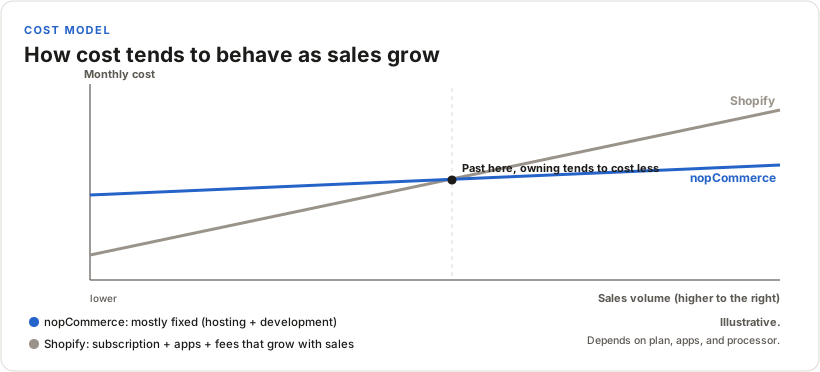
That crossover is the whole economic argument. Below it, Shopify is cheaper and simpler. Above it, the fees and app subscriptions of a growing store can cost more than owning one outright. Where the line sits depends on your volume, so it is worth doing the math on your own numbers rather than trusting either sales pitch.
Control and customization
The other real difference is how far you can change things. On Shopify you work within the platform. Themes and apps cover most standard needs quickly, but deep customization runs into limits, and the checkout itself is locked unless you are on Shopify Plus, which is a large step up in price. Complex B2B pricing, unusual workflows, or tight integration with your own systems often mean stacking apps or paying for Plus.
nopCommerce gives you the full source code. Anything the platform does, you can change, and B2B, multi-store, and multi-currency are built into the core. That power is only useful if you actually need it, and it comes with the responsibility of hosting, updates, and security. If your store is standard, that flexibility is weight you are carrying for no reason.
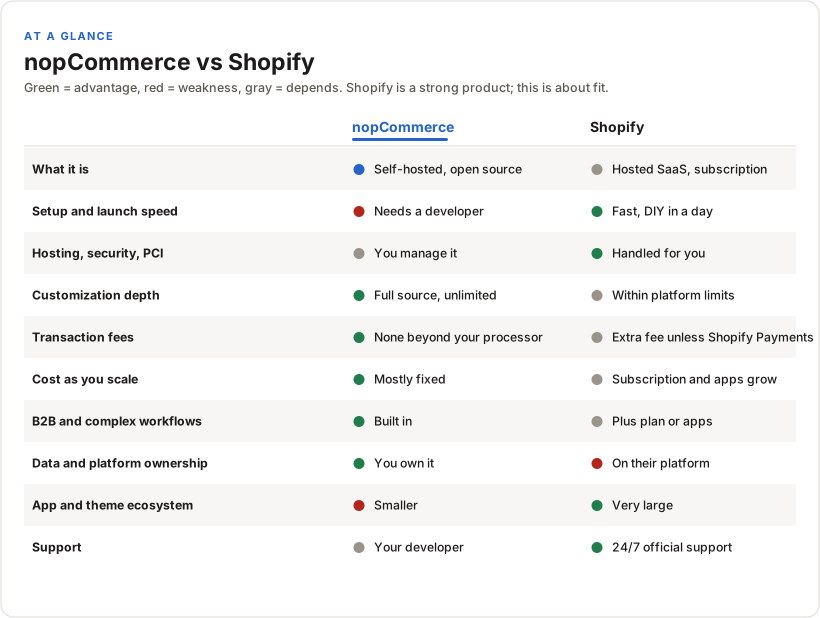
The table is meant to be even. Shopify wins the rows about speed, convenience, and ecosystem, and those matter to most new stores. nopCommerce wins the rows about ownership, customization, and cost at scale.
Where Shopify is the right call
For a large share of stores, Shopify is genuinely the better choice, and saying otherwise would not survive one honest conversation. If you want to launch quickly without a developer, sell a fairly standard catalog, and have someone else handle hosting, security, and updates, Shopify does that well and its support and app ecosystem are hard to beat.
So instead of a platform argument, here is how I would split it.
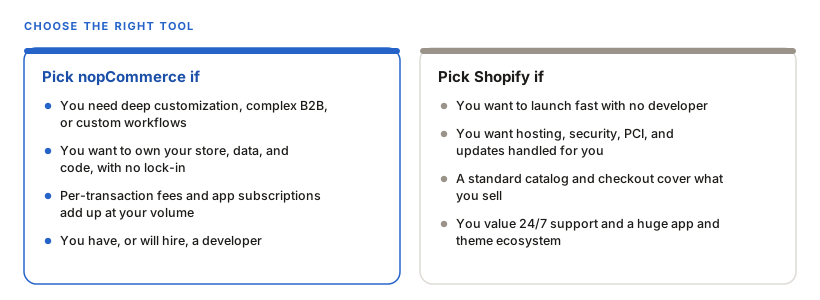
If you land on the Shopify side of that, Shopify is the right tool and you should use it. The goal is the store that fits your business, not a win for one platform.
My nopCommerce work
This is not theory for me. I build and maintain live nopCommerce sites, including work in the plugin architecture and the day-to-day of keeping a build healthy. You can see examples of my nopCommerce work, and how I help on existing sites on my nopCommerce services page. I work on nopCommerce, I am not selling it as the one true platform.
Bottom line
Shopify is the right call when you want convenience and a fast, managed store, and that describes a lot of businesses. nopCommerce is the right call when you need real customization, want to own the platform instead of renting it, or your growing store's fees and app subscriptions have started to outweigh what hosting and a developer would cost.
Related work
nopCommerce development
-
nopCommerce
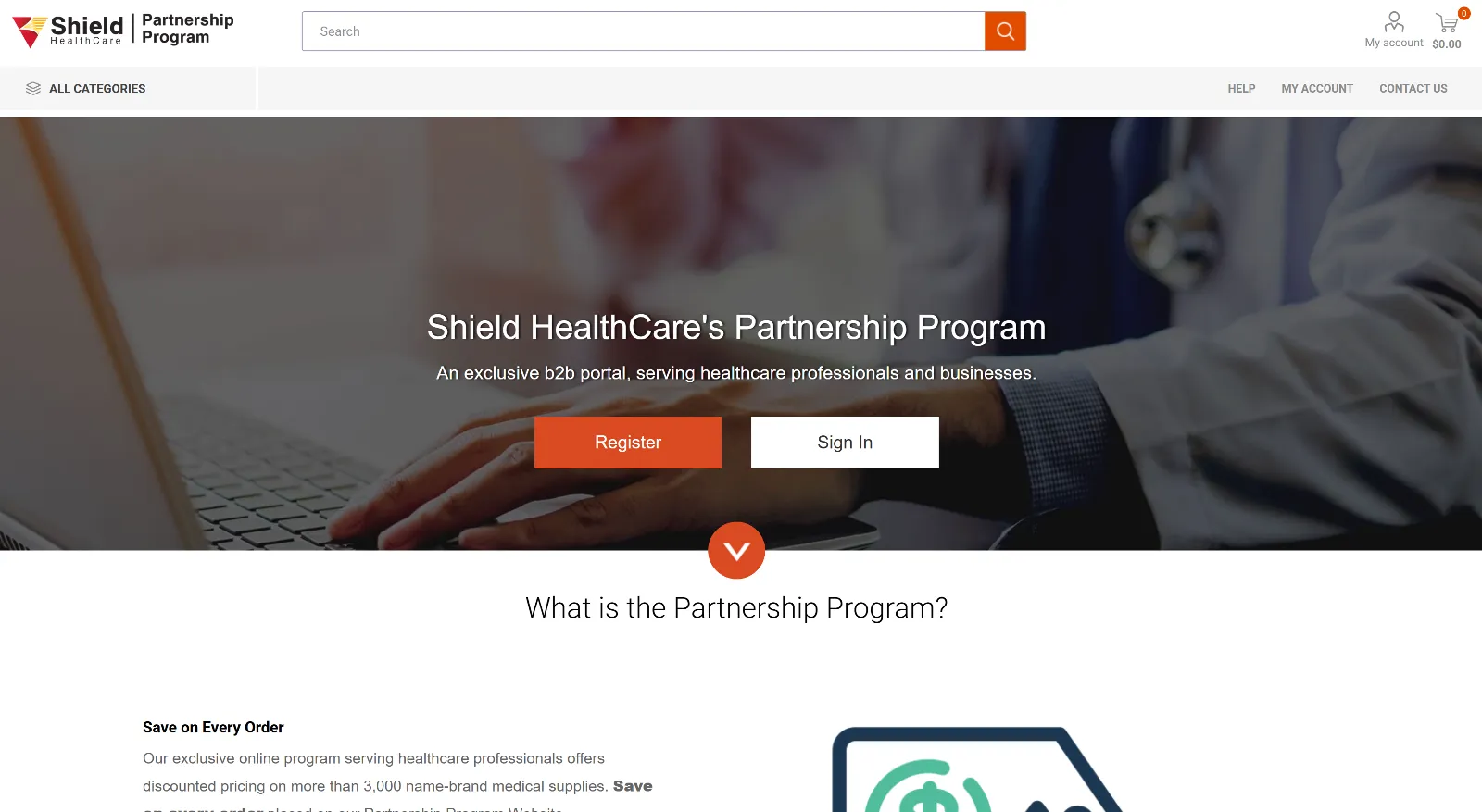
B2B portal with back-office inventory sync
Shield Healthcare's Partnership Program is a B2B portal giving healthcare professionals discounted pricing on more than 3,000 name-brand medical supplies. I worked on the nopCommerce store behind it, including the integration that keeps its catalog in step with their back-office inventory system.
-
nopCommerce
Custom nopCommerce Plugin Development
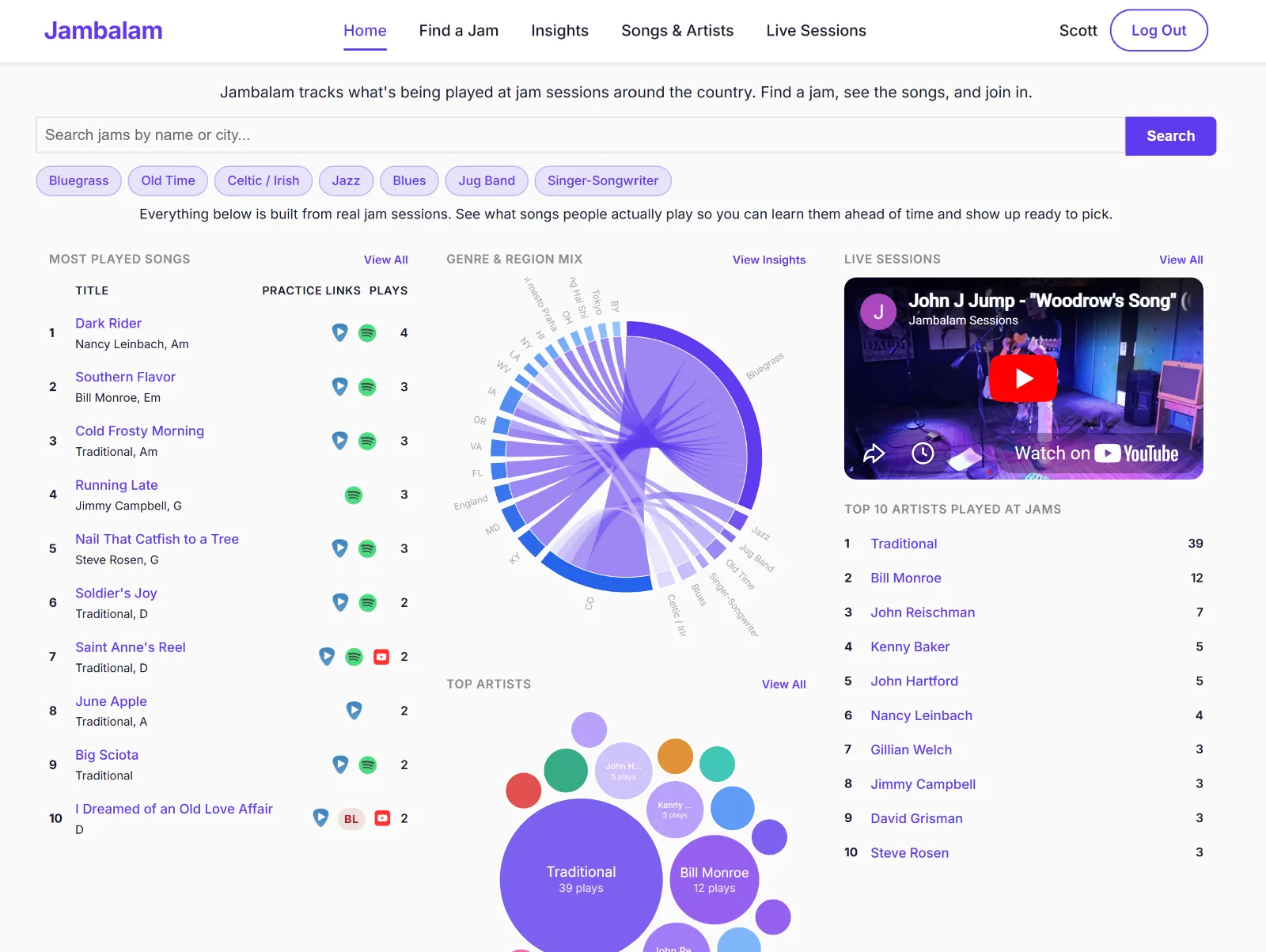
Jambalam is a live community platform where jam-session musicians log what they played, where, and in what key — turning scattered musical knowledge into searchable data, maps, and trend visualizations. I architected it as a custom nopCommerce plugin — extending the platform through its plugin model rather than forking it — and took it from idea to production on my own: backend, AI, payments, and data viz.
-

nopCommerce
Legacy .NET replatform to nopCommerce
The Florida State Golf Association ran on a custom .NET platform built twelve years earlier that Microsoft no longer supported. The site's main job is golf tournament sign-ups, so the replacement had to handle traffic spikes, take payments securely, and work properly on phones. I was part of the team that moved it onto nopCommerce.


