Blog
Why I Reach for nopCommerce Over WordPress for an Online Store
WordPress runs a large share of the web, so when a business needs a store, WordPress and WooCommerce is the default answer. For a lot of stores that is a fine choice. As the demands grow, higher order volume, wholesale pricing, several storefronts, multiple currencies, it is worth a second look, because WooCommerce is a commerce plugin sitting on top of a blogging platform, and those demands tend to arrive as more plugins you have to keep alive.
Here is my take, from building on both. The more your store needs to do, the more nopCommerce's design pays off, because commerce is the product rather than an add-on. WordPress is still the right choice in plenty of cases, and I will name them so you can decide for yourself.
The short version
nopCommerce is a purpose-built ecommerce platform. WooCommerce turns a blog into a shop. That single difference is behind most of what follows.
nopCommerce is built for commerce, not extended into it
The clearest difference is structural. nopCommerce is one application whose job is selling: catalog, checkout, payments, shipping, tax, B2B pricing, multi-store and multi-currency are part of the core. WooCommerce adds those capabilities to WordPress, and the ones it does not cover come from separate plugins, each from a different vendor on its own release schedule.
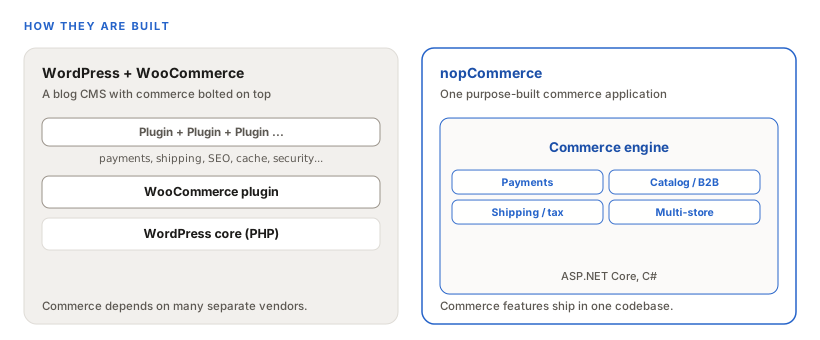
That matters most once you need more than a simple catalog. Wholesale pricing, multiple storefronts off one back end, or several currencies are configuration in nopCommerce. On WooCommerce they tend to be three more plugins to buy, integrate, and maintain.
One owned codebase beats a stack of third-party plugins
A typical WooCommerce store leans on many plugins for payments, shipping, subscriptions, SEO, caching, and security. Each one is a moving part owned by someone else. When WordPress or WooCommerce updates, any of them can break, and the security surface grows with every plugin you add. WordPress is the most attacked CMS on the web, and the plugin layer is where a lot of that risk lives.
With nopCommerce, most of that logic ships in a single codebase you control. There are still extensions, but the core commerce features are not a patchwork of vendors. Fewer moving parts means fewer surprise conflicts and a smaller attack surface.
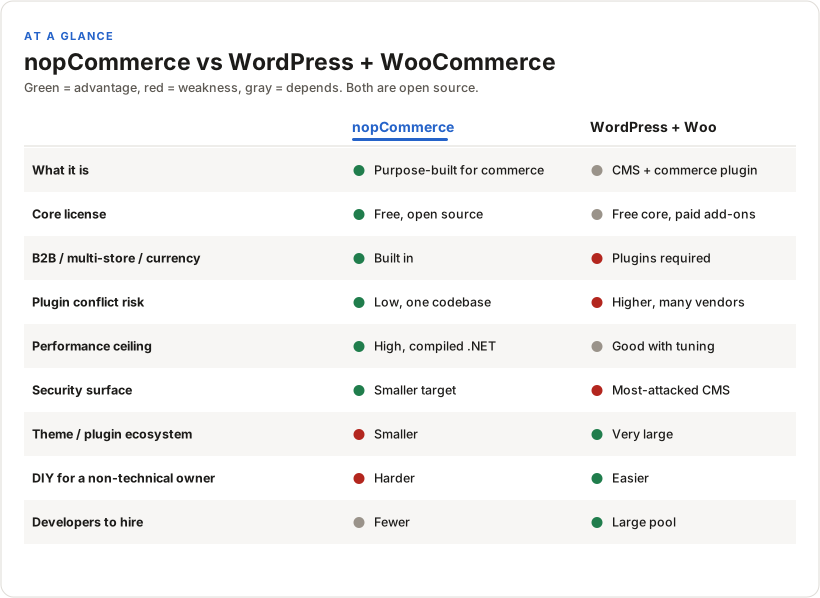
The table is deliberately even. WordPress wins real rows, and I get to those next.
"Free" is not the same as low cost
Both platforms are free and open source, and neither charges a license fee. The cost shows up later. On WooCommerce, the core is free but a production store often pays recurring fees for payment, shipping, subscription, and security plugins, and those add up every year. nopCommerce has no license fee, and its commerce features are in the box, so the recurring plugin bill tends to be smaller. Its hosting runs on .NET, which used to carry a price premium and mostly no longer does.
The honest summary: WooCommerce is cheaper to start and can get more expensive to keep running well. nopCommerce asks for more up front and tends to hold its cost better as the store grows.
Where WordPress is the right call
nopCommerce is not the answer for every store, and pretending otherwise would not survive one honest conversation. WordPress and WooCommerce has a much larger ecosystem, far more themes, and a much bigger pool of developers to hire. If a non-technical owner wants to manage the whole thing themselves, that ecosystem is a real advantage.
So rather than draw a line in the sand, here is how I would split it.
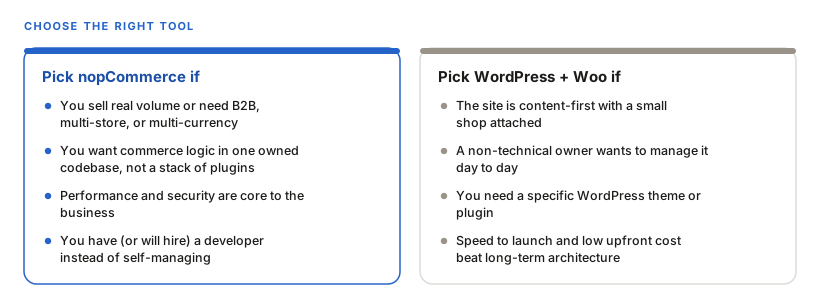
If you land on the WordPress side of that, WordPress is genuinely the better fit. The goal is the right tool for the store, not a platform argument.
My nopCommerce work
This is not theory for me. I build and maintain live nopCommerce sites, including work in the plugin architecture and the day-to-day of keeping a build healthy. You can see examples of my nopCommerce work, and how I help on existing sites on my nopCommerce services page. I work on nopCommerce, I am not selling it as the one true platform.
Bottom line
If you are running real volume or need B2B pricing, multiple storefronts, or multiple currencies, the case for nopCommerce comes down to one idea: commerce should be the product, not a plugin. You get the commerce features built in, one codebase to maintain, and a smaller surface to secure. If your needs are simpler, a catalog and a checkout on a content-led site, WordPress will likely serve you well and cost less to run.
Related work
nopCommerce development
-

nopCommerce
B2B portal with back-office inventory sync
Shield Healthcare's Partnership Program is a B2B portal giving healthcare professionals discounted pricing on more than 3,000 name-brand medical supplies. I worked on the nopCommerce store behind it, including the integration that keeps its catalog in step with their back-office inventory system.
-
nopCommerce
Custom nopCommerce Plugin Development
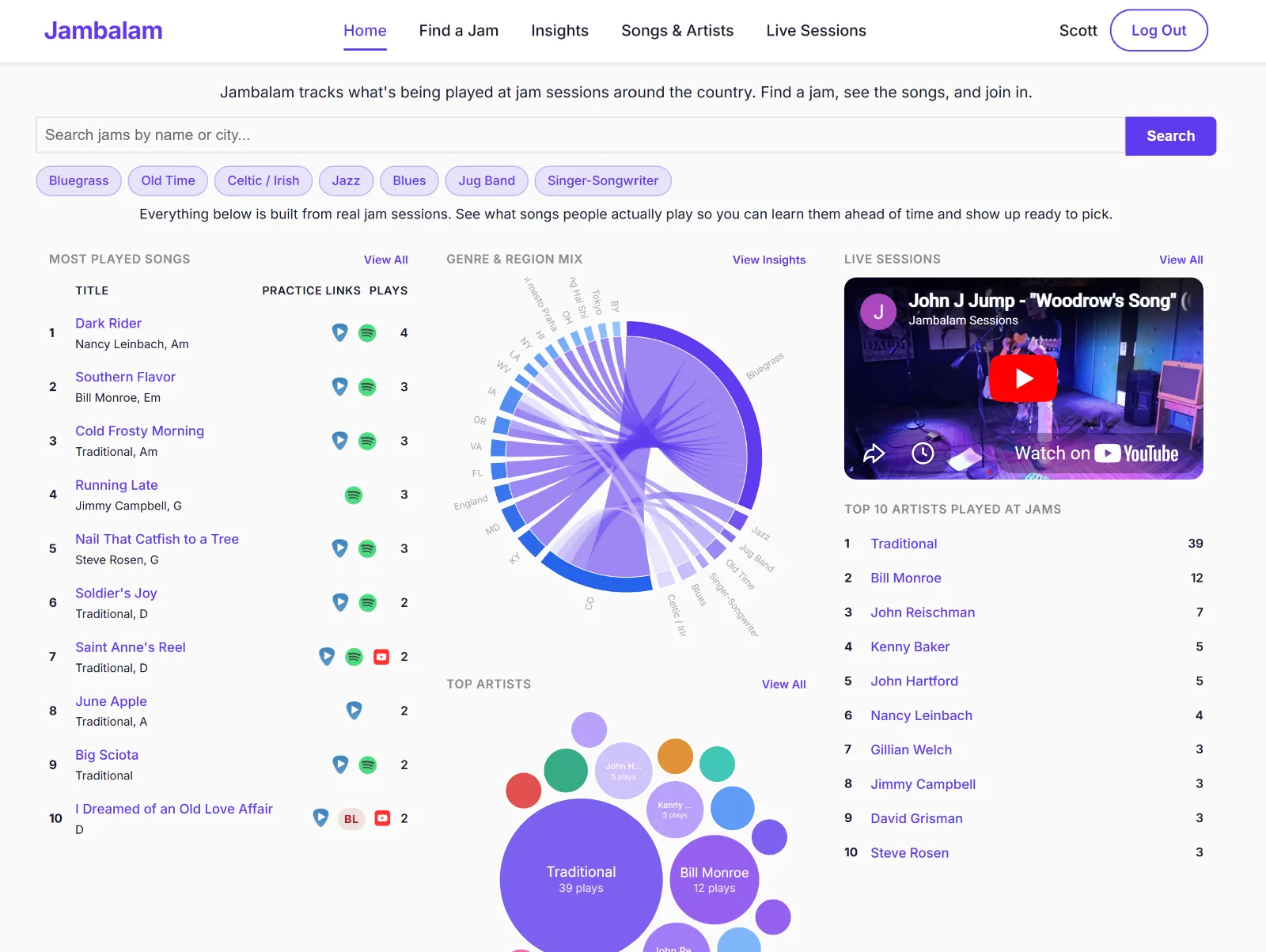
Jambalam is a live community platform where jam-session musicians log what they played, where, and in what key — turning scattered musical knowledge into searchable data, maps, and trend visualizations. I architected it as a custom nopCommerce plugin — extending the platform through its plugin model rather than forking it — and took it from idea to production on my own: backend, AI, payments, and data viz.
-

nopCommerce
Legacy .NET replatform to nopCommerce
The Florida State Golf Association ran on a custom .NET platform built twelve years earlier that Microsoft no longer supported. The site's main job is golf tournament sign-ups, so the replacement had to handle traffic spikes, take payments securely, and work properly on phones. I was part of the team that moved it onto nopCommerce.


